
5 Tips for Choosing a Wedding Videographer
Choosing a wedding videographer is a different kind of decision than most of the other vendors you'll book. A caterer feeds your guests once. A florist creates something beautiful for a few hours. A videographer makes the only artifact that lets you go back — that lets you hear the voices, feel the room, remember what it actually felt like.
That stakes that raises the stakes on the decision. Here's how to make it well.
1. Know what kind of film you want
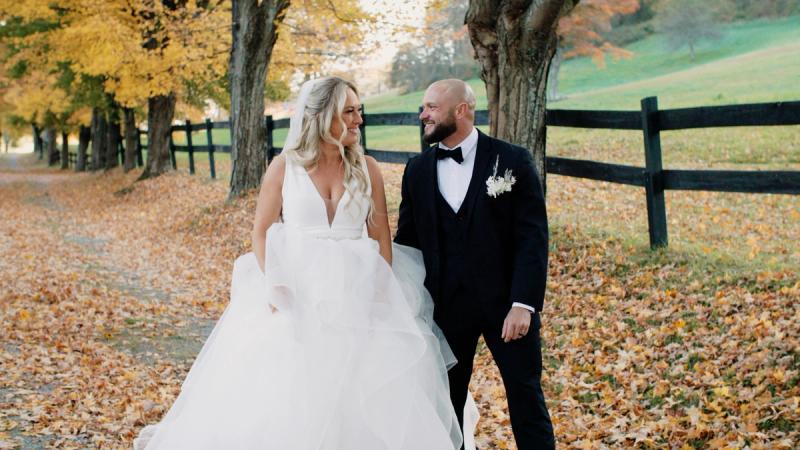
Before you start looking at videographers, spend some time watching wedding films — on YouTube, on videographer websites, on Vimeo. Pay attention to what moves you and what doesn't. Do you respond to cinematic films that feel like short movies, with music carrying the emotion? Or do you want something more documentary in style, built around the natural audio of the day — vows, toasts, the quiet exchanges that happen at the edges of the frame?
These are genuinely different approaches, and not every videographer does both well. Knowing which direction you lean before you start reaching out will save you a lot of time and help you have more productive conversations when you do.
2. Watch full films, not just highlight reels
A highlight reel is a videographer's best 90 seconds. It tells you they can cut to music and find a beautiful frame. What it doesn't tell you is whether they can sustain a story across four or five minutes, whether their audio work is clean, or whether their interview and ceremony footage holds up when the music stops.
Ask to see complete wedding films before booking anyone. If a videographer can't or won't share them, that's worth noting.
3. Pay attention to audio
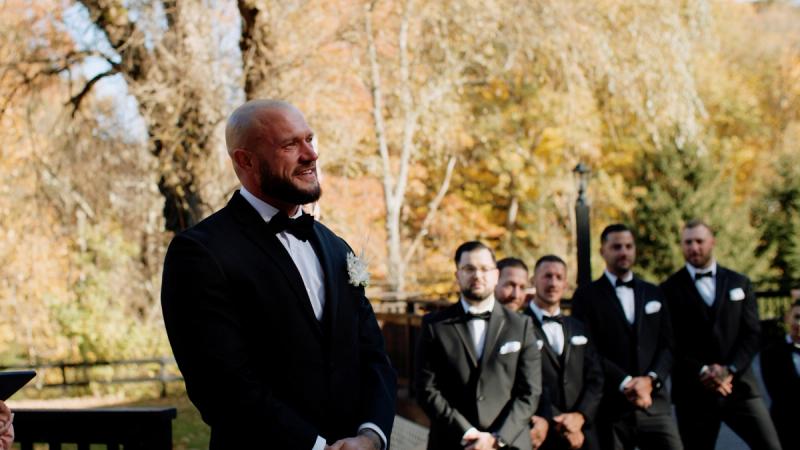
Audio is the most underappreciated element of wedding videography — and the most common place where otherwise competent work falls apart. Muffled vows, a toast that's hard to hear, ambient room noise drowning out what someone is saying — these things can't be fixed in editing.
When you're watching films, close your eyes and just listen. Is the audio clean? Can you hear everything clearly? Does the natural sound of the day come through? Good audio work is invisible when it's done right, but it's the thing that makes a film feel real rather than produced.
4. Meet them before you book
You're going to spend your entire wedding day in close proximity to your videographer. They'll be present for moments that are intimate, emotional, and unrepeatable. Chemistry matters.
A consultation — even a short one — tells you a lot. Do they ask questions about your day, or do they mostly talk about themselves? Do they seem genuinely interested in what makes your wedding specific, or does it feel like they're running through a script? A videographer who listens well on a call will listen well on your wedding day too.
5. Understand what you're actually investing in
Wedding videography sits at a wide range of price points, and it can be tempting to treat it like a line item to minimize. The honest framing is this: in ten years, the flowers are gone, the cake is gone, and the dress is in a box. The film is what's left.
That doesn't mean you need to spend beyond your means. But it does mean that when you're comparing options, the question isn't just "what does this cost?" It's "what am I actually getting, and will I still value it a decade from now?"
Experience, equipment, and the ability to handle whatever the day throws at them — these things compound. A videographer who has filmed dozens of weddings has seen things go wrong and knows how to adapt. That calm under pressure doesn't show up in a price sheet, but it shows up in the film.
If you're planning a wedding in Pennsylvania, Maryland, or the surrounding region and want to talk about what a film could look like for your day, visit our wedding videography services page or get in touch directly.