
Austin ISD's Dual Language Program: A Case Study in Education Video
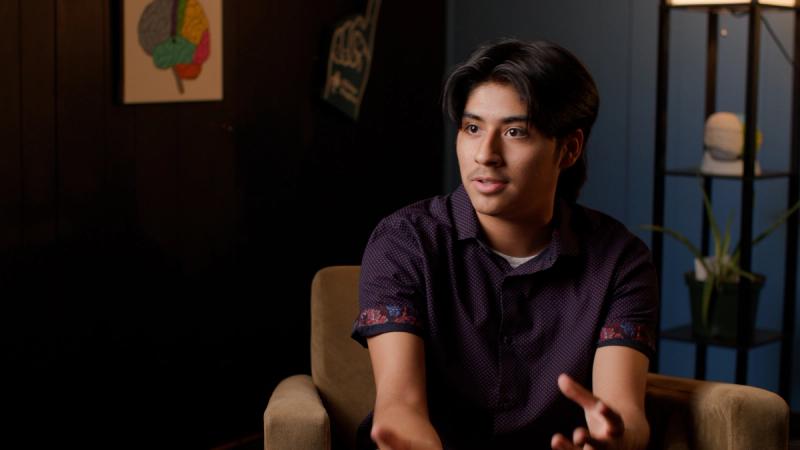
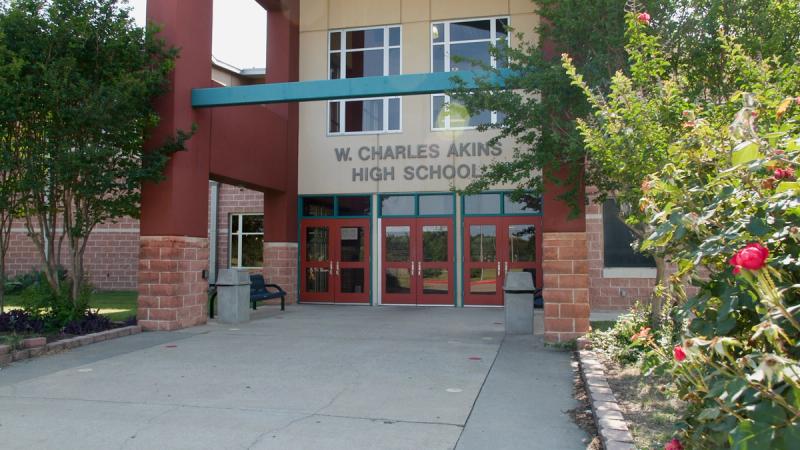
A high school student at Akins High School in Austin put it plainly. He'd been in the dual language program since elementary school. He said all high schoolers struggle to figure out who they are — and that being part of this program helped him understand that he's not just American, and not just Mexican. He's Mexican American.
That's not a talking point. That's a kid, on camera, describing something real that happened to him over the course of twelve years in a school program. It's the kind of testimony that a curriculum document can't generate, and a press release can't manufacture. It's what video is built to carry.
We made this film for Austin Independent School District to document and promote their Dual Language Program — an initiative that begins in kindergarten and runs through high school, offering rigorous instruction in both English and Spanish across all subjects. The program has three explicit goals: high academic achievement, bilingualism and biliteracy, and cross-cultural competency. Those are the institutional goals. The video's job was to show what they look like in the lives of actual students, teachers, and families.
What the program actually does
A parent in the film has four sons — three of them already in the dual language program, a fourth about to start. She chose it, she said, because she wants her boys to have every advantage they can have in life. That framing — dual language as an investment in a child's future, not just a language course — is the story the program needed people to understand.
A Spanish teacher at Akins described the three program goals clearly, but what landed was the broader vision underneath them: kids who grow up bilingual in Austin are going to stay in Austin, go to universities there, and come back to work in the community. The program isn't just serving individual students. It's investing in a city.
And a younger student said something simpler but just as true: once he fully learns Spanish, he'll be able to talk to people who don't speak English. That's empathy framed as a skill. It's the kind of thing a kid says when he's actually internalized what the program is for.
Why this kind of video works
The AISD Dual Language film continues to be featured on the district's Dual Language Program homepage — not as archived material, but as the primary introduction to the program for prospective families. That staying power is a better measure of success than any view count: the district trusted it enough to keep it front and center, and it keeps doing its job every time a parent lands on that page.
That performance comes from a structural choice: the video is built around student and teacher voices, not institutional messaging. The program administrator can articulate the goals. But the student who says the program helped him find his identity — that's the moment that makes a parent pause and think about enrollment. That's the moment that makes a community member feel proud of what their school district is doing.
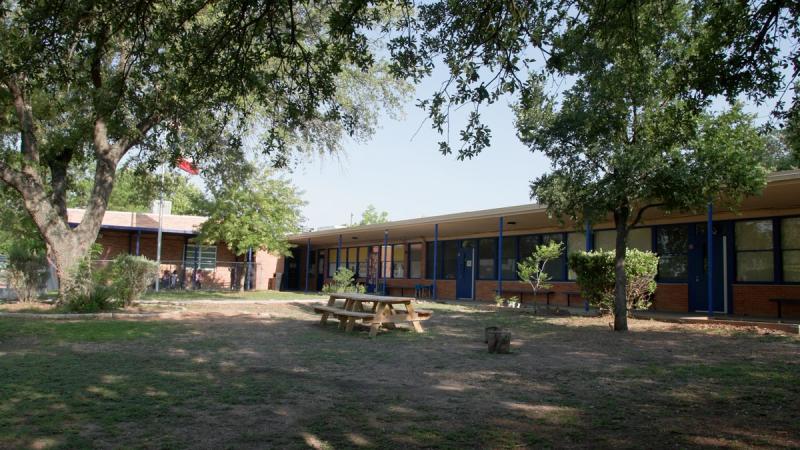
The b-roll matters too. Classroom scenes, school exteriors, students in conversation — these aren't filler. They're the visual evidence that the interviews are describing something real, in a real place, with real kids.
What education programs need from video
Specialized programs within larger school districts face a particular challenge: they're often invisible to the families who would benefit most from them. A dual language program starting in kindergarten needs to reach parents of four- and five-year-olds who may not know it exists, or who understand it intellectually but haven't felt the pull to act on it.
Video closes that gap. It takes something that lives in a PDF on a district website and makes it human. It answers the question families are actually asking: will this be good for my child? — not with data, but with the faces and voices of children who have already gone through it.
If you work in education and you're thinking about how video could serve a program, a school, or a district's broader communication goals, we'd welcome the conversation. You can also read more about our approach to education video production. Get in touch here.