
Video Production for Charter Schools and Public Schools
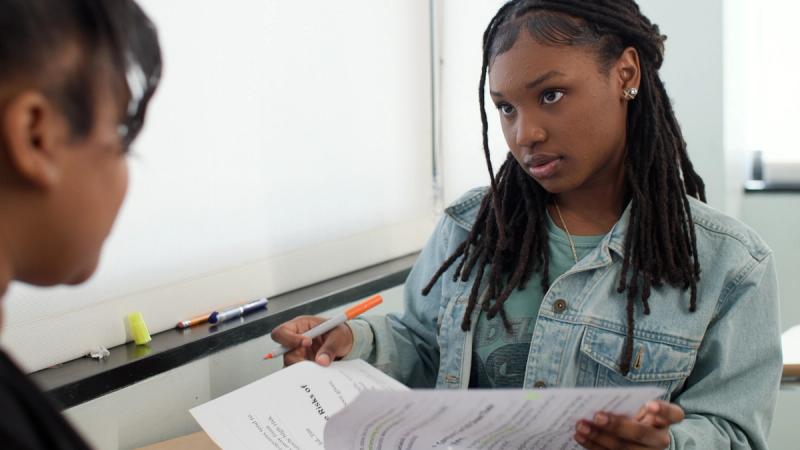
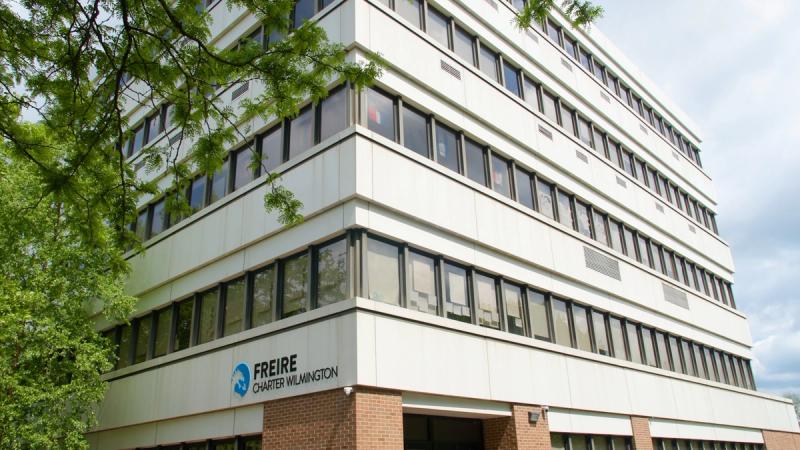
A teacher at Freire Charter School in Wilmington put it plainly: "To raise your hand is a risk. To stand in front of the class is a risk — and some students are afraid to take that risk because they might be bullied, have the wrong answer, be scared, get yelled at."
He wasn't describing a problem. He was describing what the school has spent years working against — building an environment where students feel safe enough to try, to be wrong, to grow. That work is invisible on a brochure. In a two-minute video, it's undeniable.
That's what school video does when it's done right. Not a tour of the building. Not a list of AP offerings. A window into what it actually feels like to be a student there.
What families are really asking
When a parent is choosing a school — whether it's a charter, a magnet, or a public school trying to retain enrollment in a competitive landscape — the question beneath every question is: will my child be okay here?
Will they be challenged? Will they be seen? Will the adults in the building care about them as people, not just as students?
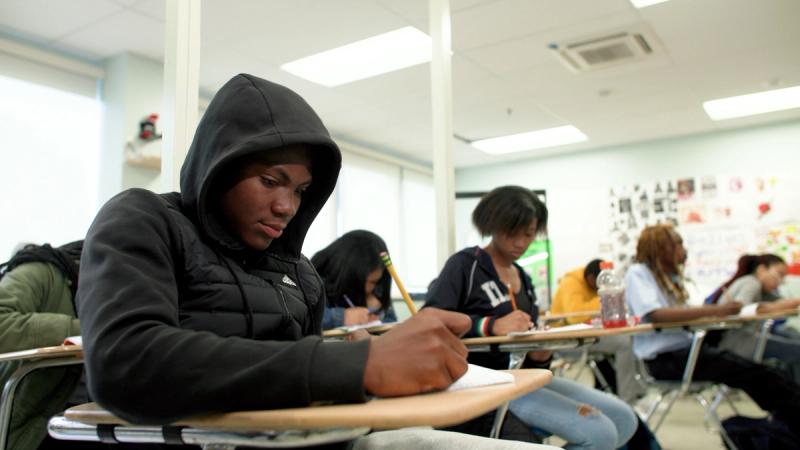
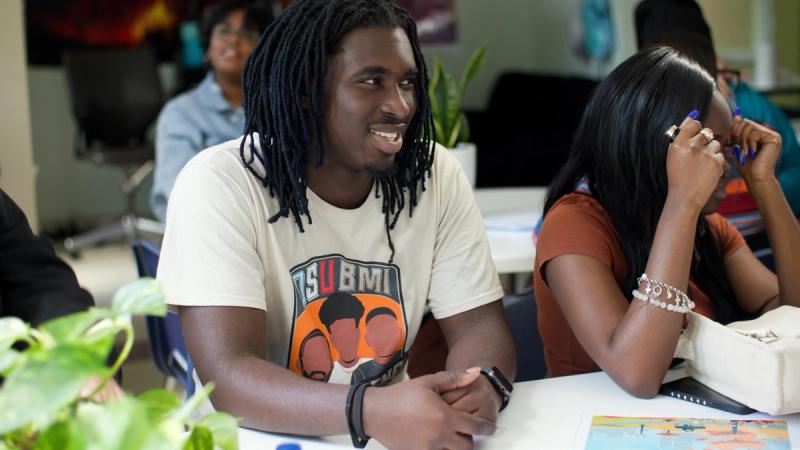
A student at Freire answered that question without being asked. She said she has "stuff to look forward to every day." That after four years, she grew into a more mature student. That the people there make her feel like family, that she's always comfortable, that she has "room to show everything that I can do."
No admissions page writes that. Students say it — but only when the conditions are right for them to say it honestly. Creating those conditions on camera is the craft underneath the work.
What charter schools specifically need from video
Charter schools operate in a unique position. They have to actively recruit students and families, often in competition with both traditional public schools and other charters. They need to communicate clearly what makes them different — in culture, in curriculum, in outcomes — without sounding defensive or over-promotional.
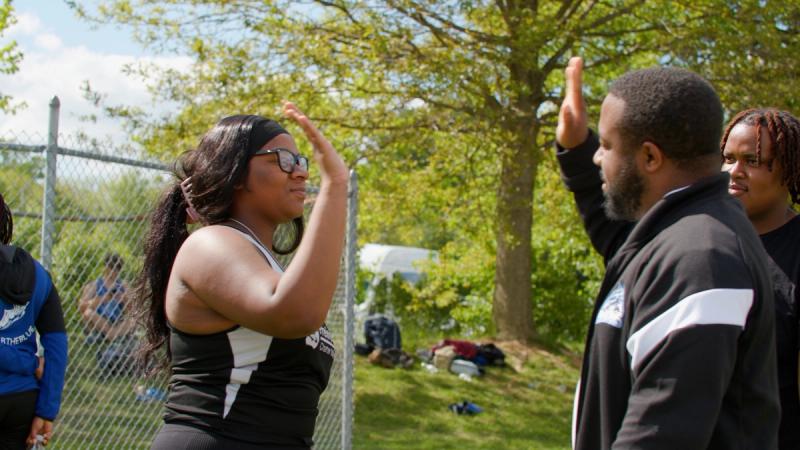
Video earns that trust in a way that other formats can't. When a student says she picked up shot put for the first time, discovered she was good at it, and attributes that to teachers who pushed her to try new things — that's a data point no test score captures. When a senior describes his college advisor helping him navigate financial aid and unlock more scholarship money than he expected — that's the kind of outcome that moves a family off the fence.
The Freire renewal video captures all of that because it doesn't try to cover everything. It follows a through-line: this is a place where students are safe to take risks, and that safety produces real results.
What public schools can do with video
Public schools face a different set of pressures — declining enrollment in some districts, community perception challenges in others, and an ongoing need to communicate to parents that the school their child attends is worth believing in.
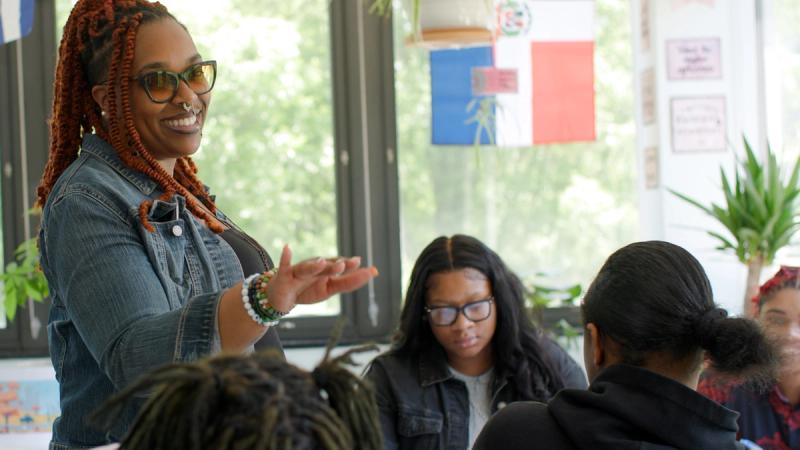
Video is one of the most effective tools for that. Not promotional video that feels like a commercial, but documentary-style work that shows real classrooms, real teachers, real moments. A teacher who stays after school because a student needs her. A student who found something she loves for the first time. An administrator who can articulate what the school stands for and mean it.
That footage doesn't need to be slick to be powerful. It needs to be honest.
The longer arc
The best school videos we've made function as more than marketing. They become documents of a school's identity at a particular moment — who the students were, what the teachers believed, what the place was working toward. They get shared by alumni. They get played at board meetings. They outlast the enrollment cycle they were made for.
Freire's renewal video was built to make the case for the school's continued charter — a high-stakes use case with real consequences. The fact that the case is made almost entirely through student and teacher voices, rather than institutional language, is what makes it work.
If you're a school leader or communications director thinking about what video could do for your institution, we'd welcome the conversation. Get in touch.